If you want a reliable playbook that you can reuse, this guide collects movie night ideas that don’t feel like homework and don’t fall apart the moment guests arrive. You’ll find themes that actually land with real people, snack pairings that are easy to prep, tech setups that reduce fiddling, and small rituals that turn a single screening into a habit. Whether you’re inviting friends, building a family routine, planning a cozy date night, or carving out solo time, these movie night ideas give you a flexible, practical framework to copy and adapt.
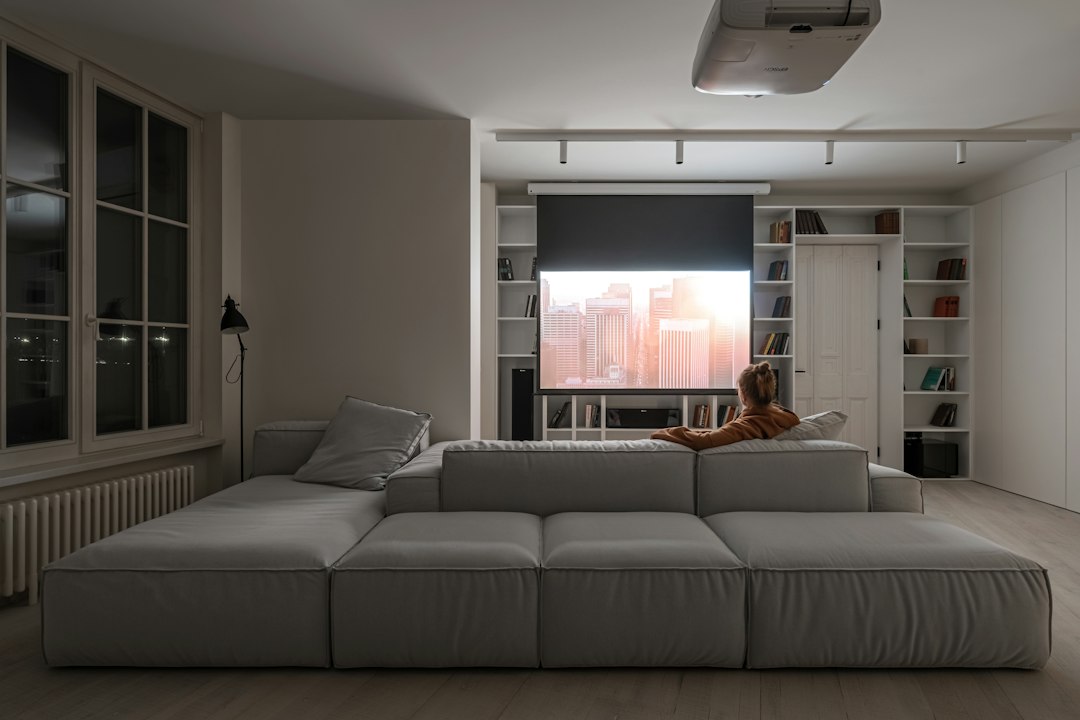
The goal is simple: fewer hiccups, more smiles. That means starting with the audience, picking films intentionally, shaping a comfortable room, and keeping a short rescue plan for when something goes sideways. Use this like a field manual: scan the headings, grab the checklist you need, and tailor a night that fits your space, budget, and energy level.
Why planning your movie night pays off
Great evenings rarely happen by accident. A few minutes of planning increases the odds of a smooth night because it removes tiny obstacles before anyone feels them. People walk into a room that already feels comfortable. The remote is exactly where expected. Captions are the right size. Snacks and napkins are within reach. The result is a subtle sense of ease that lets everyone sink into the story faster.
Planning also builds tradition. Brains love cues: a particular blanket, a low lamp on one side table, a signature snack, a recurring opener such as a toast or a short trivia card. Repeat these and you create an occasion without extra effort. Hosts who look effortless usually refined small choices over time and then reused what worked.
Finally, a plan protects you from overdoing it. When you pre‑decide one theme, one extra activity, and one centerpiece snack, you spend less, carry fewer trays, and deliver a clearer, calmer night. Simplicity reads as care.
- Quick win checklist: choose one theme, verify two film options, set captions and volume, stage water, place trash and recycling where people can find them.
- Time box your prep: 20 minutes for tech, 15 for snacks, 5 for seating and lighting.
- One tiny ritual: a short opener such as a “best one‑liner” sticky note board or a quick poll for the next theme.
12 movie night ideas by theme
Pick one theme and align the lineup, snacks, and mood to match. These options work across ages and rooms, with quick setup kits and sample films for each.
1) Cozy comfort classics
Vibe: Warm lights, soft blankets, familiar stories you can quote.
Films: The Princess Bride, Back to the Future, The Sandlot, School of Rock.
Kit: A soft throw per person, warm white lamps, hot chocolate or tea, and a brownie tray. Add a “favorite line” jar for people to drop quotes after credits.
2) Adventure double feature
Vibe: Big energy and clear heroes on a simple mission.
Films: Indiana Jones (any), Pirates of the Caribbean, National Treasure.
Kit: Popcorn with a spice bar (smoked paprika, cinnamon sugar, garlic salt), citrus spritzers, and a globe or map on the coffee table as a playful prop.
3) Laughs to share
Vibe: Light and quotable, perfect for pausing to laugh.
Films: Paddington 2, Game Night, The Nice Guys, Superbad (older audiences).
Kit: Finger foods in bowls (chips, crudités, dip), bright napkins, and a five‑question warmup: “Which line will we quote tomorrow?”
4) Mystery night
Vibe: Dim lights and curious minds.
Films: Knives Out, Enola Holmes, Sherlock (series), The Kid Detective.
Kit: Note cards for guessing mid‑film, dark chocolate squares, an LED candle, and a post‑credits reveal ritual.
5) Animation artistry
Vibe: Wonder and visual design details; accessible for all ages.
Films: Spider‑Verse films, Pixar’s Coco, Studio Ghibli favorites, The Mitchells vs. The Machines.
Kit: Colorful gummies, fruit skewers, and a “spot the detail” card with three items to look for.
6) Award winners sampler
Vibe: Prestige picks without pretension.
Films: Recent Best Picture contenders, international gems, buzzy documentaries.
Kit: Small‑plate snacks (cheese + crackers), sparkling water with citrus, and a five‑minute reflection card at the end.
7) Sci‑fi and space night
Vibe: Awe and thought experiments.
Films: The Martian, Interstellar, Arrival, Wall‑E (family friendly).
Kit: Star‑shaped cookies, “cosmic” popcorn (edible glitter or colored sugar), and a soft backlight behind the screen.
8) Sports and underdogs
Vibe: Momentum and heart.
Films: Remember the Titans, Cool Runnings, Creed, Bend It Like Beckham.
Kit: Stadium snacks (pretzels, peanuts), a mini foam ball to toss pre‑show, and a halftime stretch break if you’re running a double feature.
9) Nostalgia rewind
Vibe: Throwback soundtracks and fashion.
Films: 80s or 90s favorites that fit your group’s era.
Kit: Pre‑show mixtape, classic candy boxes, and a quick snapshot station on a phone or Polaroid.
10) Silent or black‑and‑white night
Vibe: Film history with a modern couch.
Films: City Lights, The General, Casablanca, a curated noir double bill.
Kit: Espresso or tea, biscotti, and a three‑minute primer video or card to set context.
11) Travel without planes
Vibe: Taste other places from your couch.
Films: International crowd‑pleasers, food documentaries, travel‑tone dramas.
Kit: World snack sampler (olives, crackers, pickles), a tiny flag toothpick pack, and a map to mark countries featured.
12) Heroes under two hours
Vibe: Short, satisfying stories for weeknights.
Films: Hidden gems that run 90–110 minutes.
Kit: A single bowl dessert (fruit salad or cookies), a start time that’s truly on time, and a “save the longer film” note for next time.
Theme checklist:
- Pick one theme and stick to it.
- Limit the lineup: one feature or one tight double feature.
- Set a signature snack that matches the vibe.
- Add one small ritual (opening toast, trivia card, or theme song cue).
Plan for people first
Strong hosts plan for energy and attention as much as for titles. Think about who’s coming and the day they just had, then right‑size the night.
Families
Priorities: Clarity, brightness, clear stakes, and content that lands for kids and adults. Shorter runtimes help on school nights.
Tips: Start early, turn on captions, lay out quiet fidgets or coloring sheets, and add a pre‑show “wiggle break” playlist so kids burn energy before the couch.
Couples
Priorities: Conversation time and cozy ambiance.
Tips: Cue one short before the feature (a music video or Pixar short). After credits, plan a 10‑minute walk if weather allows, or share a single reflective prompt: “What would you have done differently if you were the protagonist?”
Friends
Priorities: Shared laughs, quotable lines, and films that support pausing for chatter.
Tips: Use a simple vote: each person nominates two films; the pick is the overlap or the one with the most hands raised. Keep the runner‑up saved for next time and tell people the date before they leave.
Mixed groups and neighbors
Priorities: Inclusive content and predictable timing.
Tips: Choose a well‑known crowd‑pleaser for the main slot and keep the experimental pick for the after‑party. Share start and end times ahead of time so neighbors can plan, especially for outdoor screenings.
Solo nights
Priorities: Comfort and curiosity—watch something you’ve wanted to see without compromise.
Tips: Set a start time like an appointment, stage your favorite drink, and turn on do‑not‑disturb for two hours. If you pause, resume deliberately rather than letting the night drift.
Build a better watchlist
Resist the endless scroll. A curated list is kinder to tired minds and more fun in the room. Use a simple method to create a watchlist that actually gets used.
Pick a narrow lane
Make the choice easy by narrowing the category: two films by the same director; a trio about friendship; recent gems under 100 minutes; or comfort favorites with a shared trope. The narrower the lane, the faster the pick and the higher the chance of consensus.
Balance familiarity and discovery
In a group, pair one safe bet with one surprise. Open with the familiar if people are tired; save the new voice for when energy is higher. With kids, alternate repeat favorites and something fresh to build taste without forcing it.
Mind the mood and runtime
Match the day’s energy, not your aspirational self. After a big week, pick light and short. Before a long weekend, stretch into longer or heavier films. Aim for a punctual start; dependable start times feel respectful and reduce friction for guests.
Small curation workflow
- Write a one‑sentence theme and share it with invitees.
- Preload two to three titles into your streaming queue.
- Verify captions and audio description availability in advance.
- Keep a note with 10 future picks and update it after each night.
Snacks and drinks that match the moment
Food can be simple and still feel special. Pick one anchor item and one lighter companion, plus water within reach for everyone. Align with dietary needs first; flavor play comes second. Label ingredients to help guests make easy choices.
Anchor snack ideas
- Popcorn bar: One bowl butter + salt; one bowl olive oil + rosemary; and a sweet shake such as cinnamon sugar.
- Sheet‑pan nachos: Two cheeses with beans; add jalapeños for heat; bake right before start time and serve on a trivet.
- Flatbread night: Prebaked crusts with simple toppings; slice into shareable squares as people arrive.
- Fruit + chocolate: A big fruit bowl with dark chocolate squares on the side for nibbling.
Diet‑friendly swaps
- Gluten‑conscious: Corn chips, rice crackers, roasted chickpeas.
- Dairy‑light: Hummus, salsa, guacamole, olive tapenade.
- Lower‑sugar: Savory popcorn, nuts, jerky, vegetable sticks with tahini.
- Nut‑aware: Label bowls, avoid mixed snack mixes; preportion in small cups to lower cross‑contact risk.
Beverages
- Baseline: Water within reach—pitchers on side tables or individual bottles on a tray.
- Cozy night: Hot chocolate, chai, or herbal tea.
- Summertime: Iced tea with lemon, sparkling water with a fruit garnish.
- Adults: An optional spritz or a beer—measured and secondary to the film.
Serving tips: Put napkins in the middle of the room, use trays for easy passes, and place trash and recycling within reach so cleanup doesn’t interrupt the vibe.
Atmosphere and setup that just works
Atmosphere separates “watching something” from “movie night.” You don’t need a dedicated theater; a few smart adjustments to light, sound, picture, and seating make a large difference.
Lighting
- Use warm dimmable lamps or string lights; skip bright overheads.
- Keep a small lamp on a side table to help people reach drinks without spills.
- Block reflective glare with a curtain or shade if the screen faces windows.
Sound
- Place a soundbar or bookshelf speakers in front of the screen at ear level when seated.
- Set a comfortable volume during previews, then lower slightly for dialogue‑heavy films.
- Turn on night mode or dynamic range compression if available to tame loud peaks.
Picture
- TV: Use Cinema or Movie mode; disable motion smoothing (often called “soap opera effect”).
- Projector: Aim at a clean white or light‑gray surface; if outdoors, tension your screen so wind doesn’t flap.
- Streaming apps: Pre‑download if your internet is unreliable; log in earlier in the day to avoid password delays.
Seating and flow
- Add pillows and blankets, but leave aisles open for easy exits.
- Arrange seats so every viewer can see at least three‑quarters of the screen without leaning.
- Place one small side table per two people for cups and bowls.
Tech preflight (10 minutes):
- Remote batteries checked and spares in a drawer.
- Streaming app logged in; film queued to the studio logo.
- Captions set to preferred size; verify audio description if needed.
- Phones on do‑not‑disturb; ringers muted.
Outdoor and small‑space setups
Backyards and balconies can be wonderful screening rooms when you pick the right gear and set expectations with neighbors. Small apartments can also feel cinematic with careful layout.
Backyard and patio tips
- Timing: Start at dusk to get enough contrast.
- Screen: A stretched white sheet works, but a pull‑down or framed screen is steadier and brighter.
- Sound: A compact speaker aimed at the audience reduces spillover beyond the fence line.
- Weather backup: Have an indoor alternative queued so you can pivot quickly if wind or drizzle shows up.
Small rooms and apartments
- Scale: Sit closer rather than chasing a larger screen; perceived size matters more than raw inches.
- Clutter: Clear low tables and floors to keep walkways open.
- Neighbors: Share start and end times in group chats for courtesy, and keep peaks controlled with night mode.
Equipment guide and upkeep
You can enjoy a great night with the gear you already have, or invest in a few pieces that reduce friction long‑term. Spend where friction lives and save where aesthetics alone tempt you.
Smart budget moves
- Blankets: Thrift stores and clearance bins; wash and store in a labeled tote.
- Lighting: Two warm lamps beat a single expensive fixture.
- Sound: A modest soundbar often outperforms TV speakers significantly.
- Projector: Borrow or rent for two nights before buying; test your space and patience.
When to upgrade
- Seating: If backs ache by halfway, add supportive floor cushions or upgrade a loveseat.
- Screen: Outdoors, a pull‑down or fixed frame improves brightness and uniformity.
- Network: A better router or Ethernet cable stabilizes streams better than app‑hopping.
Care and simple maintenance
- Dust screens and lenses every few uses with a microfiber cloth.
- Label and coil cables; store HDMI and power cords in a zip bag in the same drawer.
- Update TV and streaming apps monthly so captions and audio features stay in sync.
Kid‑safe, accessible, and inclusive nights
Everyone should feel welcome and comfortable. A few accommodations invite more people to say yes—and to stay engaged from pre‑roll to credits.
Content and comfort
- Use rating guides and content descriptors for families; daytime screenings suit longer or heavier picks.
- Offer a lights‑on option for younger viewers who feel uneasy in the dark.
- Normalize pausing for breaks; a five‑minute stretch is part of the plan, not a failure.
Accessibility basics
- Enable captions by default; adjust size and contrast as needed.
- Check if audio description is available for the main title.
- Provide seating variety (softer and firmer surfaces) and room to stretch for sensory comfort.
- Reduce visual clutter in the room; keep pre‑roll content simple without rapid strobe effects.
Food inclusion
- Label ingredients; separate serving tongs by dish to reduce mix‑ups.
- Offer at least one gluten‑conscious, one dairy‑light, and one lower‑sugar option.
- Keep water easy to reach and encourage refills.
Inclusive host script: “Captions are on by default. If you want them bigger or smaller, say the word. Drinks are on the side table; help yourself anytime. We’ll pause if anyone needs a break.”
Handling hiccups: a small rescue plan
Even well‑set nights wobble. Keep a calm tone, and normalize quick pivots. This short guide borrows from live events: pause without apology, pivot without fuss, protect the mood.
If the stream buffers
- Pause and switch to a downloaded backup if available.
- Drop the resolution one notch to stabilize playback.
- As a last resort, pivot to your preloaded second choice rather than fight a laggy stream.
If the audio mix is hard to follow
- Lower overall volume, then raise center/dialogue if your system allows.
- Turn on night mode to compress extremes.
- Keep captions on; adjust size for easy reading.
If group energy dips
- Pause at a natural cut; stretch and reset the room.
- Offer to switch to the lighter backup title; decide quickly rather than call for a full vote.
- End early with a smile instead of forcing a finish. Tradition matters more than runtime.
If snacks run out
- Move to the backup bowl you prepped in the kitchen.
- Start the next scene before you announce the swap to keep attention on the film.
Habits, cleanup, and a quick‑start plan
Traditions reduce planning fatigue and make attendance easier. Pick a cadence and keep it light, then make cleanup simple so future you keeps saying yes.
- Monthly anchors: First Friday family feature; second Saturday friends’ pick; third Thursday classics club.
- Shared doc: A simple spreadsheet with themes, picks, and snack assignments.
- Keepsakes: Save one small note or photo per night; pick a favorite each season.
- Storage: Keep a labeled “movie night” tote with blankets, napkins, remotes, and spare cables so setup takes minutes.
Quick‑start schedule (copy/paste):
- Two days out: Choose one theme and two candidate films. Verify captions. Plan one anchor snack.
- One day out: Shop for snacks and drinks. Charge remotes. Clear a table for serving.
- Two hours out: Stage seats, dim lights, set sound and picture. Preload the film to the studio logo. Put water out.
- Start time: Welcome, explain one ritual, hit play on schedule.
- Midpoint: One short break if needed. Stretch, refill, resume.
- Credits: Optional one‑question reflection or a single trivia card. Share the next date.
If you’d like fresh lineups and seasonal guides, browse the Movie Entertainment stories at Albertini Arts. Bookmark a couple of themes so you always have a plan to reach for.
FAQ: small choices that make a big difference
Should I turn on captions by default?
Yes—captions help most viewers follow dialogue and make your night more inclusive. You can reduce or enlarge the font to taste. For outdoor nights or noisy rooms, captions do extra work so you don’t keep riding the volume.
How many snacks are enough?
Two categories are plenty: one anchor and one light option. People prefer predictable, refillable bowls to a parade of plates. If you must add a third item, make it fruit—it balances salty snacks neatly.
Is a projector necessary?
No. A well‑calibrated TV with warm lamps and a modest soundbar beats a budget projector in a bright room. Projectors shine when you can control light or when you’re outdoors at dusk.
What time should we start?
For families, start early enough that bedtime feels calm—roughly 6:30 to 7:30 p.m. For adult groups, aim for 8:00 p.m. and stick to it. Predictable start times build trust and make guests more likely to say yes next time.
How do I keep the room tidy without fuss?
Preposition napkins and trash. Use trays so people can share without passing hot plates over heads. A quick sweep after credits helps tomorrow’s self and keeps you open to hosting again soon.
How big should the screen look?
Perceived size matters more than raw inches. If you’re close enough that the screen fills a comfortable field of view without neck craning, you’re set. If people lean forward, move the seating closer rather than chasing a bigger screen.
What’s a simple double feature that works?
Pair a familiar film with a shorter discovery. For example: a beloved adventure followed by a 90‑minute international gem. Keep a 10‑minute intermission to refill bowls and stretch.
How do I handle guest allergies or sensitivities?
Ask in the invite, label bowls clearly, and keep ingredient lists handy. Use separate tongs or spoons per dish. Keep water nearby and encourage people to choose what fits their routine.
Can I do an outdoor night without annoying neighbors?
Yes. Start at dusk, keep volumes modest, aim speakers at the audience, and share your start and end times in a neighbor chat. A short note about your plan goes a long way toward goodwill.
How do I avoid the indecision spiral when choosing a film?
Offer two pre‑loaded options that fit the declared theme; if people split evenly, flip a coin and log the other film for next time. The real win is a smooth start and a shared experience, not winning the pick.
Movie nights feel special when they’re simple, intentional, and repeatable. Pick one theme, one ritual, and one anchor snack. Check your tech in ten minutes. Then sit down and enjoy the story together.