This guide uses the best classic movies to watch as the starting point for the practical advice below. The best classic movies to watch are more than a checklist of titles; they are an ever-growing invitation to experience the images, sounds, performances, and ideas that shaped everything we enjoy on screens today. This guide is designed to make that invitation easy to accept, whether you want a quick shortlist for tonight, a decade-by-decade itinerary for a month of discovery, or a simple framework for learning how to read movies with confidence and joy.
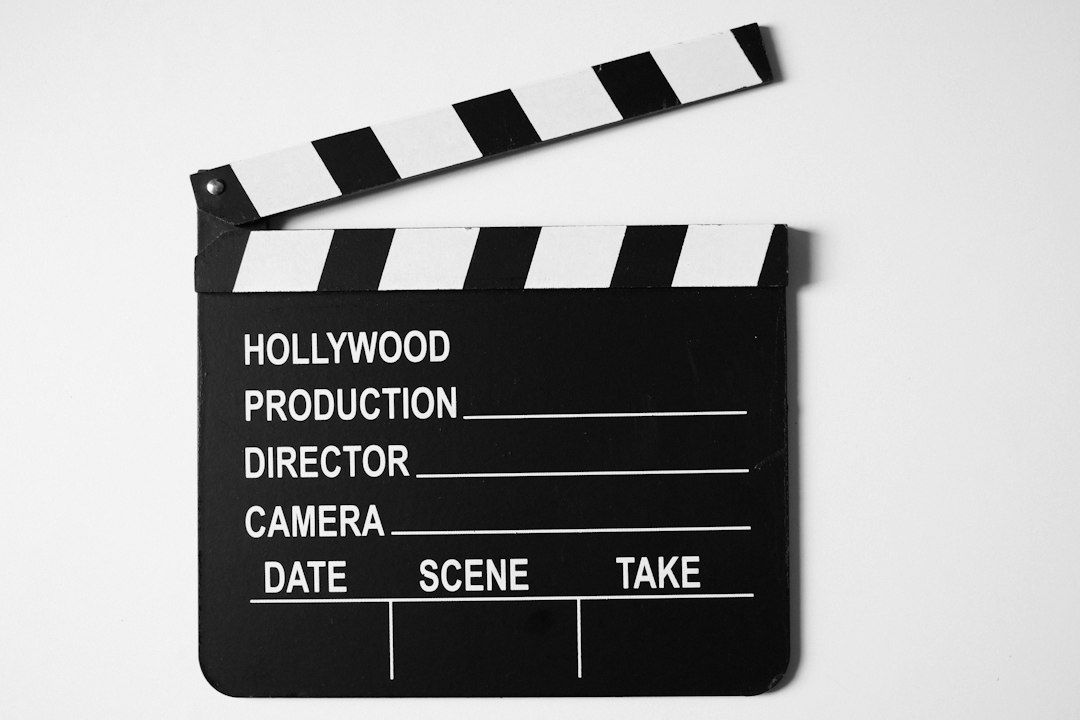
the best classic movies to watch: What this guide covers and how to use it
Classic cinema is a universe, not a genre. To keep it approachable, this guide packages the universe into paths you can actually walk. You’ll find a mood-based shortlist to get started tonight, decade tours to understand how film language evolved, essentials from around the world, family-friendly choices, and practical tips for watching restorations, choosing versions, and building sustainable habits. If you follow even one path all the way through, you will notice how your eyes, ears, and heart adapt to styles that at first might feel unfamiliar, and how those styles become meaningful pleasures that stay with you.
Skip around. Save a section. Pick one film per section for the next six weeks. Invite a friend. Host a theme night. Most important, notice how different choices—sound, framing, editing, music—change what you feel. That moment of noticing is where film literacy begins.
The best classic movies to watch: a quick shortlist by mood
Want a simple starting point? Use your mood. Choose one, press play, and keep a small notebook or notes app nearby to jot what you loved, puzzled over, or want to look up later.
- Adventurous: Seven Samurai (1954, Kurosawa). A grand, humane epic about courage and community, shot with intense movement and clarity.
- Romantic: Casablanca (1942, Curtiz). A masterclass in character-driven melodrama with quotable dialogue, smoky atmosphere, and bittersweet grace.
- Playful: Some Like It Hot (1959, Wilder). Cross-dressing hijinks and fast-paced wit that still land because the characters feel real beneath the jokes.
- Thoughtful: 12 Angry Men (1957, Lumet). A single room, twelve perspectives, and a study in how framing, blocking, and performance can turn conversation into suspense.
- Poetic: The Red Shoes (1948, Powell and Pressburger). Hyper-saturated color and fantasy-heightened emotion create a fable about art, ambition, and sacrifice.
- Nighttime chill: Double Indemnity (1944, Wilder). Film noir at its crispest: shadows, blinds, guilt, and a voiceover that drips with consequences.
- Heart-warmer: City Lights (1931, Chaplin). Silent-era genius that still gets laughs and tears without a line of spoken dialogue.
- Mind-bender: Persona (1966, Bergman). Faces, masks, split selves; the kind of film that deepens with each viewing.
Choose one today. Choose a different mood next time. Without noticing, you’ll start seeing patterns: how a close-up makes you lean in, how a long shot lets your curiosity roam, how a quiet dissolve lets regret linger. That awareness is the biggest step.
How to choose versions, restorations, and aspect ratios
Watching classics sometimes means choosing between versions. Restorations fix fading prints and damaged audio; director’s cuts restore scenes removed by studios; multiple aspect ratios reflect how a film was originally framed for theaters versus later TV broadcast. Here’s how to navigate those choices so you get the most coherent experience.
- Prefer restorations and reputable labels. Restored editions from respected archives and distributors (often labeled “restored 4K” or “new digital restoration”) usually provide the best image and sound, plus valuable context in introductions and notes. If you can pick between a compressed stream and a reputable Blu-ray or 4K disc, the disc often offers richer colors, steadier motion, and more stable blacks.
- Check the aspect ratio. A 1.37:1 (Academy) image is more square; 1.66:1, 1.85:1, and 2.35:1 are increasingly wide. If a film looks oddly cropped, it might be presented in a compromised ratio. Many streaming services now note this correctly, but if they don’t, a quick check on a film database can confirm the right ratio.
- Language and subtitles. For international classics, default to original language with subtitles. The musicality of voices and the interplay of sound and image are core to the experience.
- Color timing and grain. A healthy layer of grain is part of film texture, not a defect. Overscrubbed images can look waxy and flat. If a restoration leans too far in either direction, read viewer notes; a well-reviewed transfer can make an enormous difference in immersion.
None of this needs to be technical. The simple rule: choose the release that preserves the most original intent—composition, movement, sound—and you’ll be closer to seeing what audiences saw when the film was new.
Silent era and the 1930s: where screen language was born
If you’re new to silent cinema, start with films that feel alive, kinetic, and emotionally direct. The technological limits created an art of visual clarity: performances calibrated for the camera, editing that teaches your eye to follow action, and music that guides feelings without words.
- City Lights (1931, Chaplin). The celebrated final scene is famous for a reason, but watch how every gag is choreographed around precise framing so the joke “reads” instantly.
- Sunrise (1927, Murnau). An early masterpiece of camera movement and superimposition; the love story unfolds as fable and dream.
- The General (1926, Keaton). Machinery, momentum, and a stone-faced hero who turns the entire landscape into a playground of physics.
- Metropolis (1927, Lang). Monumental sets and futurist imagery that still shape sci-fi design.
Into the 1930s, sound changed everything, and screwball comedies taught dialogue to dance. Look for:
- It Happened One Night (1934, Capra). Road-trip romance that practically invents the blueprint for opposites-attract banter.
- Top Hat (1935, Sandrich). Dance as narrative: Fred Astaire and Ginger Rogers glide through art-deco sets where movement replaces exposition.
- Stagecoach (1939, Ford). An ensemble western that balances action, character, and landscape to build a myth with human scale.
As you watch, notice how early sound films adapt silent-era visual storytelling to microphones. In the best ones, dialogue enhances, rather than replaces, the picture’s grammar.
The 1940s and 1950s: noir shadows, Technicolor dreams
Wartime anxieties and postwar disillusionment seeped into noir, while Technicolor musicals and melodramas exploded on the other side of the spectrum. This is the era of shadowy blinds and blazing color.
- Double Indemnity (1944, Wilder). The light falls like a trap. Watch how the camera positions you inside the conspiracy, then makes you complicit as it tightens.
- The Third Man (1949, Reed). Dutch angles, zither strings, a city of ruins; the final shot walks you down a long path you can’t forget.
- Black Narcissus (1947, Powell and Pressburger). Color as a spiritual force; the Himalayas built on British soundstages yet strangely vast.
- Singin’ in the Rain (1952, Donen and Kelly). A buoyant, self-aware musical about the transition to sound, anchored by genius choreography and radiant color.
- Rear Window (1954, Hitchcock). A masterclass in point of view: an apartment courtyard turned into a miniature world of curiosity, ethics, and suspense.
Focus on how changes in lighting craft mood: in noir, contrast sculpts guilt and danger; in Technicolor, vibrancy elevates joy and desire. In both cases, the technical choice is inseparable from the feeling.
The 1960s and 1970s: new waves, new Hollywood
The 1960s welcomed new film movements that made movies feel immediate, personal, and alive to the present. By the 1970s, American cinema absorbed those shocks into a wave of adventurous studio films that still define character-driven spectacle.
- Breathless (1960, Godard). Jump cuts, street shooting, and a sense that the film is thinking while it moves; it changes how you feel time passing in a scene.
- 8½ (1963, Fellini). A dream about the pressure to create; the camera dances with memory and fantasy.
- Persona (1966, Bergman). Close-ups become psychological landscapes, the texture of film itself a subject.
- Bonnie and Clyde (1967, Penn). Violence and glamour reframed for a new era; editing that shocks and rhythms that linger.
- The Godfather (1972, Coppola). Operatic lighting and familial intimacy turn a crime saga into a meditation on power and loyalty.
- Chinatown (1974, Polanski). Noir updated with sunlit corruption; the detective frame exposes systems, not just culprits.
- Alien (1979, Scott). Industrial spaces, patient suspense, and creature design that merges elegance with terror.
As you navigate these years, think of cinema as a conversation. Each film talks to its predecessors and to you, making you an active participant in how stories evolve.
The 1980s and 1990s: blockbusters with brains
By the 1980s, effects-driven spectacles grew, yet many of the most beloved titles pair excitement with strong character and visual precision. The 1990s refine and remix that energy, blending independent sensibilities with mainstream polish.
- Blade Runner (1982, Scott). A future noir; neon rain and moral haze where production design becomes philosophy.
- Do the Right Thing (1989, Lee). Color heat and community voice; a precise choreography of space and tension that builds to a question you carry after the credits.
- Goodfellas (1990, Scorsese). Kinetic camera moves and needle drops help the story slip from charm to consequence without blinking.
- The Silence of the Lambs (1991, Demme). Intense eye-level close-ups that let conversations feel like confrontations with conscience.
- Before Sunrise (1995, Linklater). Two people walking and talking, and somehow the city becomes a third character.
- The Matrix (1999, Wachowskis). Action grammar rewired; bullet time is fun, but the structure of choice and identity is what keeps it fresh.
Even when the pieces feel familiar, look at how craft refreshes them: a dolly push that turns an ordinary line into revelation, a needle drop that reframes memory, a transition that compresses years into a breath.
World cinema essentials: widening the map
If English-language classics are one pillar, world cinema is the cathedral. Each tradition offers new rhythms, tones, and ways of seeing. Sampling these films expands your palette; loving them gives you more ways to love movies in general.
- Japan: Seven Samurai (1954), Late Spring (1949), Spirited Away (2001). From samurai epics to quiet family dramas to animation that makes the intangible tangible.
- France: The 400 Blows (1959), Breathless (1960), Children of Paradise (1945). Youthful freedom, modern reflexivity, and poetic historical scale.
- Italy: Bicycle Thieves (1948), La Dolce Vita (1960), 8½ (1963). Neorealist tenderness and sophisticated carnival.
- India: Pather Panchali (1955, Ray). Details of village life assembled into a universal hymn to childhood and perseverance.
- Hong Kong: In the Mood for Love (2000, Wong). Color, silence, and repetition conjure the ache of restrained emotion.
- Germany: M (1931, Lang), Aguirre, the Wrath of God (1972, Herzog). Urban paranoia; jungle obsession.
- Sweden: The Seventh Seal (1957), Persona (1966). Medieval questions and modern fractures.
- Spain: Viridiana (1961, Buñuel). Satire wrapped around faith and generosity’s contradictions.
- Iran: Close-Up (1990, Kiarostami). Documentary and fiction blur to probe performance and truth.
- Brazil: Black Orpheus (1959). Myth reborn in Carnival color and song.
A quick practice: after each international film, list three moments of purely visual storytelling. You’ll train your eye to recognize how culture shapes style and how style becomes a language you can understand without translation.
Animation and family classics that still play
Animation and family films are some of the most durable classics because they marry technical brilliance with clean emotional arcs. They’re also perfect for building a multi-generational watchlist that rewards parents as much as kids.
- Snow White and the Seven Dwarfs (1937). Innovation on every frame; a blueprint for animated features.
- My Neighbor Totoro (1988). A gentle fable where small gestures—waiting at a bus stop, listening to wind—become joy.
- The Iron Giant (1999). A 1950s-set story about empathy and choice, animated with warmth and restraint.
- The Wizard of Oz (1939). From sepia to Technicolor, a journey that still illustrates how color can cue emotion and wonder.
- Pinocchio (1940). Hand-drawn craftsmanship paired with moral curiosity; music integrated into narrative.
Family viewing tip: rotate picks so everyone gets a say, and try a simple “three questions” ritual after the credits: Which moment looked the most beautiful? Which sound or song stayed with you? Which character made a surprising choice? You’ll keep attention on craft and empathy, not just outcomes.
How to watch: streaming, discs, and local theaters
Finding classics has never been easier, but quality and context vary. Here’s a simple approach to combine convenience with fidelity and community.
- Streaming. Major services carry rotating slates of classics, sometimes with curated collections and intros. Expect occasional compression and fluctuating catalog depth. Use watchlist features so titles don’t disappear before you get to them.
- Discs. Blu-ray and 4K discs from reputable labels often provide the most stable quality, especially for older films. They also include essays, restorers’ notes, and commentary tracks that transform the viewing into a mini-course.
- Local theaters and repertory houses. Nothing replaces seeing a classic with an audience. Laughter cues laughter; silence deepens; images feel larger not only in size, but in presence.
- Libraries. Many public libraries lend discs and even host screenings. It’s a free way to sample restorations and broaden your range.
Consider blending all three: stream for spontaneity, collect a few favorites on disc for high quality and extras, and look for screenings to turn a film into an event.
Build a watchlist and host a film night
Good intentions fade without a little structure. A short, flexible plan brings the fun back, keeps momentum, and turns your interest into a low-effort habit.
Watchlist template
- Pick a theme for four weeks: “noir and neon,” “dance and color,” “world cinema road trips.”
- Choose one film per week: one easy crowd-pleaser, one stretch, one international, one personal curiosity.
- Set a day and time, then treat it like a standing date with yourself or your group.
- Keep notes: image moments, musical cues, a line that landed differently than you expected.
Film night playbook
- Before: send a tiny teaser—trailer link, poster, or one-sentence promise. Invite people to bring a one-minute “what to watch for.”
- During: give the film the courtesy you want back—phones down, lights tuned for the image, volume set so quiet scenes read without strain.
- After: use three open-ended prompts. Try “What detail stuck?” “What did the final shot make you feel?” “What would you pair with this next week?”
If you want more ideas across film, television, and culture, browse our Movie Entertainment hub on Albertini Arts. You’ll find essays and guides aligned with the spirit of this piece: approachable, curious, and practical. Explore Movie Entertainment at Albertini Arts.
Learn to read movies: cinematography, sound, editing
Film language is a toolbox. The more you can name, the more you can notice, and the more vivid the experience becomes. Here are three domains to watch with intention.
Cinematography
- Framing: Who is in the frame, and how close? A close-up invites intimacy; a wide shot exposes vulnerabilities.
- Camera movement: Is the camera steady, floating, or urgent? A tracking shot can put you inside a decision; a static shot can make you study faces like landscapes.
- Light and color: Noir uses contrast to carve shapes from darkness; melodrama uses saturation to stretch emotion. Note where the light seems to come from—natural window, hard studio lamp, neon sign—and how color palettes evolve across scenes.
Sound
- Dialogue: Cadence, pauses, and overlaps are not accidents; they shape pace and subtext.
- Music: Themes become memory triggers. In Vertigo, recurring motifs fold time back on itself; in Do the Right Thing, a single track builds pressure like a heat wave.
- Effects and ambience: City hum, heels clicking, wind through leaves; these textures cue mood and attention.
Editing
- Rhythm: Quick cuts raise pulse; long takes stretch curiosity. Both can surprise when deployed against expectation.
- Transitions: Match cuts, dissolves, wipes—these are narrative hinges. Watch for when they connect ideas, not just shots.
- Point of view: Cross-cutting creates parallels or contrasts. Reaction shots tell you what matters most in a moment.
Pick one element per film and devote ten minutes of attention to it. You’ll discover that your favorite scenes often combine all three domains so tightly that you feel the craft more than you can explain it—until you try, which is the fun part.
Genre paths: noir, westerns, musicals, melodramas, and sci‑fi
Genres are traditions with shared expectations. They make it easier to choose a lineup and easier to compare how different directors solve similar problems. Try a mini-series for each.
Film noir
- Start: Double Indemnity (1944). Voiceover as confession; a scheme that spirals.
- Stretch: Out of the Past (1947). Past and present crosshatch like the shadows.
- Modern echo: Chinatown (1974). Secrets scaled up to civic size.
Westerns
- Start: Stagecoach (1939). Community under pressure; archetypes with nuance.
- Stretch: The Searchers (1956). Monument Valley beauty and moral unease.
- Modern echo: Unforgiven (1992). Myth examined and humbled.
Musicals
- Start: Singin’ in the Rain (1952). Pure craft joy, and a satire that still hits.
- Stretch: The Umbrellas of Cherbourg (1964). Sung-through melancholy painted in color.
- Modern echo: La La Land (2016). Nostalgia and present-day ambition in dialogue.
Melodramas
- Start: Casablanca (1942). Sacrifice framed as grace.
- Stretch: All That Heaven Allows (1955). Suburban color that exposes societal boundaries and desire.
- Modern echo: In the Mood for Love (2000). Time, texture, and restrained longing.
Science fiction
- Start: Metropolis (1927). City as machine, workers as cogs, hope as design.
- Stretch: Stalker (1979). A philosophical journey where silence and space are the effects.
- Modern echo: The Matrix (1999). Choice framed as choreography.
Across genres, let yourself compare: how does one director stage a confession versus another? When does color codes shift from comfort to threat? What happens when a musical number carries the plot rather than pauses it? The more you ask, the richer the answers become.
Practical checklists for a smoother, richer viewing
Small tweaks in setup and planning can turn a good night into a memorable one. Use these quick checks to lower friction and raise delight.
Before you press play
- Confirm you’ve got the best available version (restoration, aspect ratio, original language).
- Adjust lighting to avoid glare but keep the room readable if you’re taking notes.
- Set audio so whispered scenes are audible without cranking loud ones into discomfort.
- Skim a spoiler-free paragraph about context—era, movement, or restoration notes.
While watching
- Put your phone away. Ten minutes of undivided attention can reset your brain to the film’s rhythm.
- Note one image, one sound, one edit worth discussing later.
- If pacing feels slow, lean into the shot: count the layers, track the focus shifts, scan the frame’s edges for stories.
After the credits
- Write down the final shot in one sentence. What did it say without words?
- Pick a pairing for next time: same director, same actor, same movement, or a modern echo.
- Share one thought with a friend. A two-line text can keep the film alive in your week.
Where to go next: books, podcasts, and communities
As you fall deeper into classic cinema, a little context goes a long way. Companion materials can turn your curiosity into joyful literacy.
- Books: Look for accessible histories that mix images with short essays. Director-specific interviews can also illuminate how decisions are made on set.
- Podcasts and video essays: Many excellent creators break down scenes shot by shot or compare versions across decades. Pick one episode that covers a film you’ve already seen so you can focus on form, not spoilers.
- Local communities: Film clubs at libraries, universities, and repertory theaters welcome newcomers. Volunteer to pick an intro or lead a five-minute craft note; presenting builds confidence fast.
- Online hubs: Curated blogs and magazines gather essays and lists with angles that match your taste—genres, decades, regions. Save one writer you like and follow their breadcrumb trail.
Remember, your path should fit your life. Two films a month, each with five minutes of reflection, will take you farther than sprints followed by long gaps. The goal isn’t to conquer a canon but to cultivate a relationship with images and sounds that reward you for the rest of your life.
A month-by-month classic plan (optional and flexible)
If you enjoy structure, adopt this twelve-month plan as a gentle spine. Swap titles as you wish. The point is breadth, not completion.
- January: Silent wonders. City Lights, Sunrise.
- February: Noir nights. Double Indemnity, The Third Man.
- March: Technicolor joy. Singin’ in the Rain, The Red Shoes.
- April: World cinema I. Seven Samurai, Bicycle Thieves.
- May: New waves. Breathless, The 400 Blows.
- June: New Hollywood. The Godfather, Chinatown.
- July: Animated classics. My Neighbor Totoro, The Iron Giant.
- August: Philosophical quests. Persona, Stalker.
- September: Human comedies. It Happened One Night, Some Like It Hot.
- October: Haunting mysteries. Rear Window, M.
- November: Modern echoes. Do the Right Thing, Before Sunrise.
- December: Reunion and ritual. Casablanca, The Wizard of Oz.
By the end, you’ll have built familiarity with multiple eras, styles, and regions. You’ll also have notes that trace your taste as it evolves—one of the most satisfying artifacts of any viewing life.
Why these films endure: a few closing thoughts
Classics endure because they keep talking to us. New technologies arrive, but the questions these films ask—about love and loyalty, ambition and compromise, community and courage—do not expire. When a restoration brings colors back to their original glow or when a wide screen lets a composition breathe, those questions feel newly alive.
Give yourself permission to start anywhere. Follow your favorite actors. Trace a director’s growth. Compare two versions of the same story. Keep a watchlist for rainy days and a shortlist for late nights. Share your discoveries. Your own map of the best classic movies to watch will inevitably look different from anyone else’s—and that difference is the point. There is room for your taste inside the canon, and there is room for your curiosity to redraw its borders.
Tonight, pick one from the mood list and press play. Tomorrow, note one detail you didn’t have words for yesterday. Next week, invite a friend. The habit will reward you long after the credits fade.